Guides, explainers, and worked examples.
Longer reads on the money and health decisions behind our calculators — with real numbers, not just rules of thumb.
How Much House Can You Afford? One Input Swings It 84%
Every affordability calculator asks for a debt-to-income ratio and none explain it. On $90,000 the same tool returns $252,390 at 28% and $465,641 at 50% — and because DTI is measured on gross, that 50% is really 62% of your take-home.
Missing the 31 August ITR Deadline: What It Actually Costs
The ₹5,000 late fee is the small part. The warning that you lose the old regime is true and, below ₹12 lakh, worth nothing. The permanent loss is Section 80 — capital and business losses you can never carry forward.
Cash Back or Low APR? We Computed the Break-Even Rebate
The rebate only wins above a fixed share of the price — 15.8% on a 60-month loan against a 7% alternative rate. That threshold is identical at every price, which makes it one number you can carry into the showroom.
Tax & Filing
Deadlines, regimes, slabs and what filing late actually costs.
Missing the 31 August ITR Deadline: What It Actually Costs
The ₹5,000 late fee is the small part. The warning that you lose the old regime is true and, below ₹12 lakh, worth nothing. The permanent loss is Section 80 — capital and business losses you can never carry forward.
Do Freelancers Exporting Services Need GST Registration?
You will be told that invoicing a foreign client compels registration from the first rupee. Notification 10/2017 says otherwise for services under ₹20 lakh.
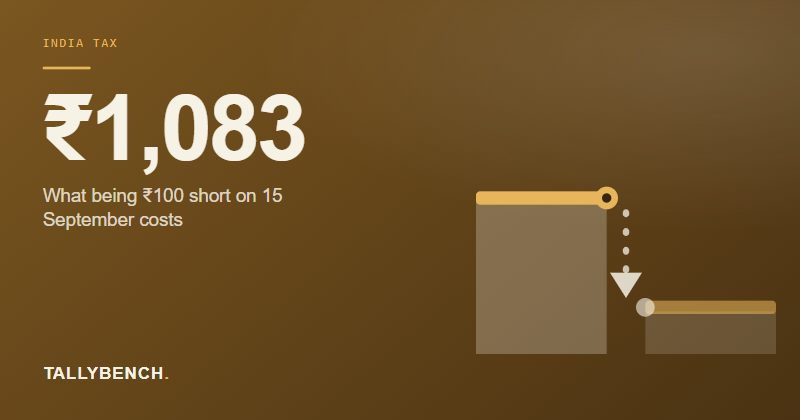
The Advance Tax Cliff: Why ₹100 Short on 15 September Costs ₹1,083
At 1% a month, deferring advance tax costs a reasonable 12% a year. But s.234C attaches a 36% trigger to the September instalment, and missing it by ₹100 costs ₹1,083 on a ₹4 lakh liability.

ITR Deadlines Split in 2026: Who Files by 31 July, Who Gets to 31 August
The Finance Act 2026 amended Section 139(1) so non-audit ITR-3 and ITR-4 filers now have until 31 August. Salaried filers still face 31 July — and the deciding factor is not your form, it is your audit position.
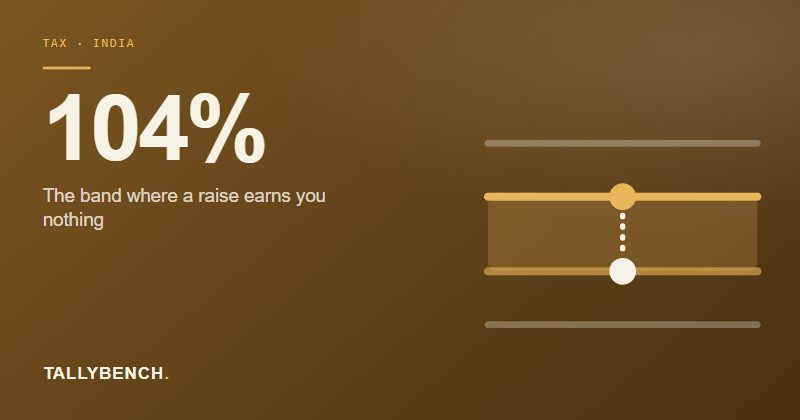
Marginal Relief Above ₹12 Lakh: The Band Where a Raise Earns You Nothing
Cross ₹12,00,000 of taxable income by ₹10,000 and you owe ₹10,400, not ₹63,960. Marginal relief removes the cliff — but leaves a ₹71,000 band taxed at 104%.

Old vs New Tax Regime: The Crossover Points, FY 2026-27
We computed the actual boundaries rather than working an example. The old regime wins in two separate salary bands, not one — and between them the new regime wins even with deductions maxed.

HRA Exemption 2026: 8 Metro Cities Now at 50%
Bengaluru, Hyderabad, Pune and Ahmedabad became metros for House Rent Allowance on 1 April 2026. Because the exemption is the lowest of three figures, whether you save anything depends entirely on which one was limiting you.
CTC vs In-Hand Salary in India 2026: The Full Breakdown
A ₹18 lakh package pays ₹1,18,126 a month. Between the offer letter and your bank account sit two contributions you never see, one lump sum you might never collect, and a tax bill.
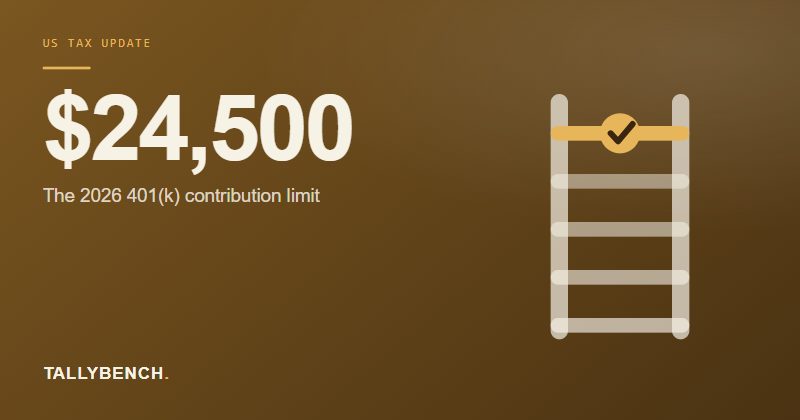
2026 IRS Limits: 401(k), IRA and Standard Deduction
You can put $24,500 in a 401(k) this year, and $35,750 if you're 60 to 63. Every number that changed, the four-year window most people miss, and what the extra room is worth once it compounds.

The UK's 2026 Tax Changes: Dividend Tax Hikes, Frozen Allowances & ISAs
No single dramatic tax hike this year — instead, a dividend rate increase, allowances frozen through 2030, and a bigger ISA change already locked in for 2027. Here's what actually moves your numbers.
India's New Income Tax Act 2025: Slabs, Rebate & What Changes
India's Income Tax Act 2025 takes effect April 1, 2026. Here's the new-regime slab structure, how the ₹12.75 lakh tax-free threshold actually works, and what it means for your filing.
Rates & Central Banks
What the RBI, Fed, ECB and others are doing, and how it reaches your loan.
RBI Holds Repo Rate at 5.25% for a Fourth Meeting
On 5 August the MPC held again and kept the stance neutral — while cutting FY27 inflation to 5.0% and lifting growth to 6.7%. Better numbers, same decision, and there is a reason for that.
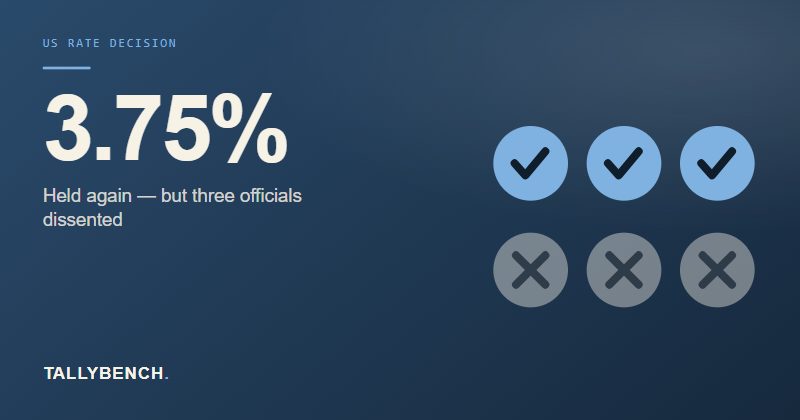
The Fed Held Again — But Three Officials Voted to Raise Rates
The FOMC kept the federal funds rate at 3.50–3.75% on a 9–3 vote. All three dissenters wanted a hike, not a cut — and the statement blames supply shocks in energy, the same diagnosis the RBI gave six weeks ago.
The Fed Has Held Rates All Year: What It Means for You
The federal funds rate has sat at 3.50–3.75% since December under new chair Kevin Warsh — yet the 30-year mortgage just hit its highest level since August 2025. Why those aren't a contradiction.
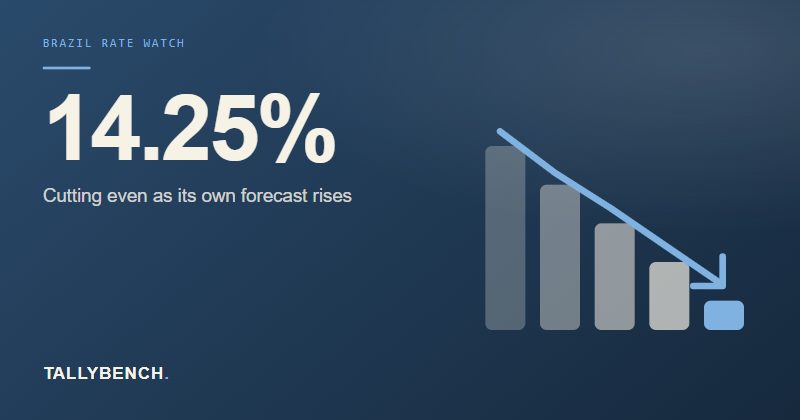
Brazil Cuts Selic to 14.25% Even as Inflation Forecasts Rise
Brazil's central bank has cut the Selic rate three times in 2026 to 14.25%, even as its own inflation forecast rose to 5.2% — well above target. Here's the tension driving the disconnect.

Japan Hikes, China Holds: Asia's Diverging Rate Paths in 2026
The Bank of Japan raised rates to 1.0% in June 2026 while China's central bank held its key rates at record lows for a 13th straight month. Why the two largest Asian economies are moving in opposite directions.
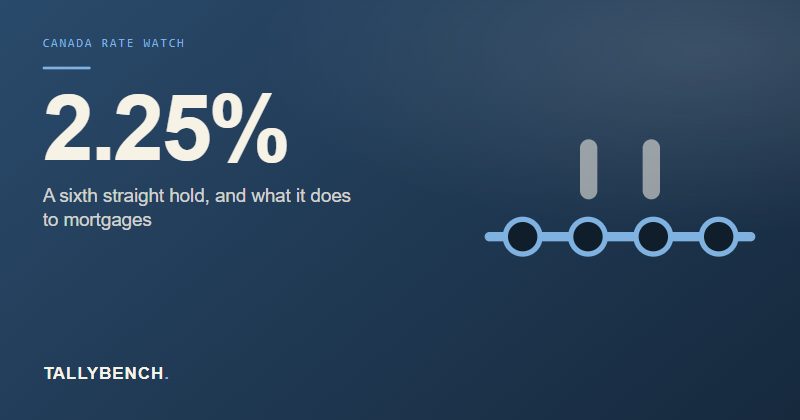
Bank of Canada Holds at 2.25% Again: What It Means for Mortgages
The Bank of Canada held its policy rate at 2.25% for a sixth straight decision in July 2026, while cutting its growth forecast. Here's what that means for variable-rate mortgages.
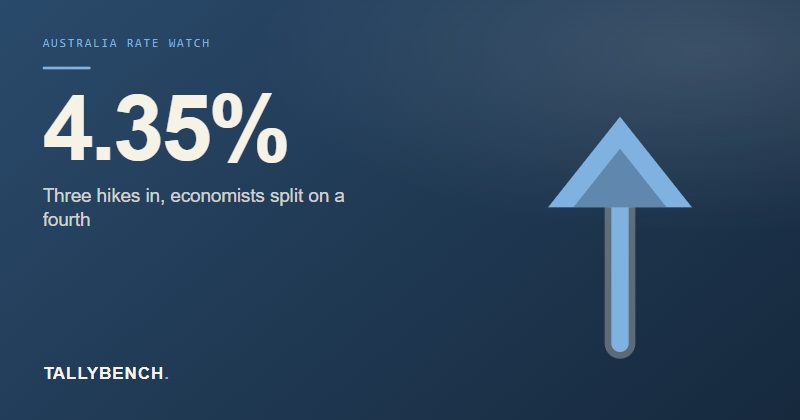
Will the RBA Hike Rates Again in August 2026?
The RBA has already hiked three times in 2026, taking the cash rate to 4.35%. Economists are split on whether August brings a fourth hike toward a possible 4.85% peak.
ECB Raises Rates for the First Time Since 2023: What It Means
The ECB hiked rates in June 2026, its first increase since 2023, with another decision due July 24. Here's why, what's next, and what it means for eurozone mortgages and savings.

Africa's Interest Rates Are Moving in Opposite Directions in 2026
Nigeria is holding at 26.5%, Kenya is cutting toward 8.75%, and South Africa just hiked to 7%. Here's why Africa's biggest economies are diverging on rates, and what it means for borrowers and savers.
Borrowing & Debt
Credit cards, mortgages and getting out from under a balance.
How Much House Can You Afford? One Input Swings It 84%
Every affordability calculator asks for a debt-to-income ratio and none explain it. On $90,000 the same tool returns $252,390 at 28% and $465,641 at 50% — and because DTI is measured on gross, that 50% is really 62% of your take-home.
Cash Back or Low APR? We Computed the Break-Even Rebate
The rebate only wins above a fixed share of the price — 15.8% on a 60-month loan against a 7% alternative rate. That threshold is identical at every price, which makes it one number you can carry into the showroom.

Prepay the Loan or Invest the Difference? We Found the Exact Crossover
We modelled both choices over a full loan term at every return from 1% to 25%, at six different loan rates. The break-even landed within 0.1 percentage points of the loan rate itself, every time.
What Actually Moves Your Credit Score — and What Does Nothing
Payment history is 35% of a FICO score and amounts owed 30%. Most of the advice people follow targets the 10% categories, and closing an old card actively hurts two of them.
How Credit Card Interest Is Actually Calculated
Your APR isn't the rate you're charged — it's divided by 365 and applied daily, compounding as it goes. The real arithmetic, why the grace period vanishes the moment you carry a balance, and what the minimum payment costs.
Why Credit Card Rates Are Still Near 21% After Three Fed Rate Cuts
The Fed has cut its benchmark rate three times since 2025, but the average credit card still charges close to 21% — near an all-time high. Here's why, and what actually lowers your cost.
Mortgage Rates Stuck Near 6.5% in 2026 — What the New Housing Law Does
Rates aren't expected to move much for the rest of the year. A sweeping new housing bill became law anyway, aimed at a different problem entirely: how many homes actually get built.
Debt Snowball vs. Avalanche: Which Payoff Method Actually Saves You More
Both methods put every spare dollar toward debt. The difference is which debt gets that dollar first — and it changes both how much interest you pay and how fast it feels like you're winning.
Student Loans
The US repayment overhaul, the deadlines, and which plan is actually cheaper.

Does Your Spouse's Income Count for Income-Driven Repayment?
Filing separately keeps a spouse income out of every current plan — but RAP narrowed the dependent rule, and separate filing costs six tax breaks.
RAP vs IBR: Where Each Plan Is Cheaper (2026 Study)
We computed both income-driven repayment plans across every income from $0 to $300,000 and 20 household types. RAP is cheaper in three of them, and never by more than $50.50 a month — while IBR can win by $554.50.

The Student Loan Deadlines That Move You Into RAP Automatically
PAYE and ICR sunset on 1 July 2028 and new PAYE enrolments end a year earlier. Borrowers who do not choose are placed in RAP by default — which our study found is the cheaper plan in only three of twenty household types.

Student Loan Repayment Changed July 2026: What RAP Means for Your Payment
SAVE, PAYE, and ICR are gone for new borrowers, replaced by two plans: RAP and the Tiered Standard Plan. Here's how each one calculates your payment, with a real worked example.
Retirement & Saving
Contribution limits, long-horizon accounts and what compounds.
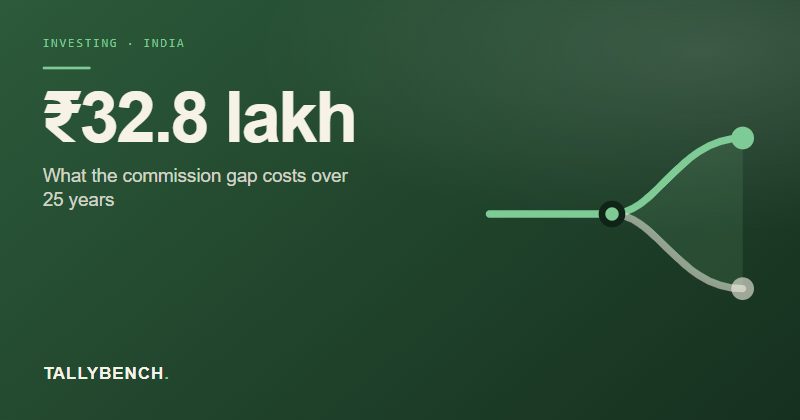
Direct vs Regular Mutual Fund Plans: What the Gap Actually Costs
Same fund, same manager, same portfolio — one costs about 1.2 points a year more. Over 25 years at ₹10,000 a month that gap came to ₹32.80 lakh, more than the total invested.
How Much Do You Actually Need to Retire? The 4% Rule Is Now 3.9%
Morningstar puts the 2026 safe withdrawal rate at 3.9% for fixed spending. Applied honestly with inflation, funding a ₹50,000-a-month lifestyle 25 years out needs ₹6.6 crore, not ₹1.5 crore.

SIP vs Lump Sum: The Question Most People Are Actually Asking Is Different
Vanguard found lump-sum investing beat phasing in about two thirds of the time. That finding says nothing about a SIP funded from salary — and conflating the two is why this debate never resolves.

EPF vs PPF vs NPS in 2026: Which Actually Builds More
EPF pays 8.25% with employer money attached, PPF pays 7.1% tax-free, NPS pays whatever the market gives. They differ on lock-in, guarantees, and which deductions survive under the new regime.
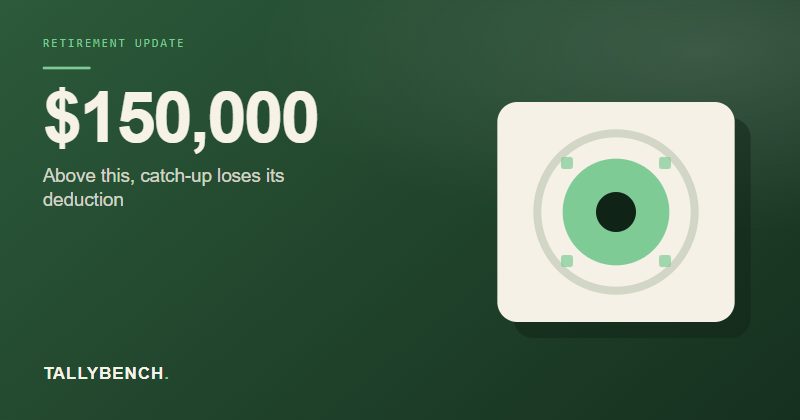
The New 401(k) Roth Catch-Up Rule: What Changes for High Earners in 2026
If you're 50 or older and earned more than $150,000 last year, your 401(k) catch-up contributions just lost their upfront tax deduction. Here's exactly how the new rule works.
Markets
Index moves and what drove them, across the major markets.

India Stock Market 2026: Record Sensex & the Jio IPO Wait
Sensex and Nifty are near record highs and analysts see more room to run in 2026 — but the stock everyone's actually talking about is Reliance, on the back of the Jio Platforms IPO filing. Here's the real picture.
UK Stock Market 2026: FTSE Records & the Rolls-Royce Turnaround
The FTSE 100 is up 19.3% in 2026, powered by banks, miners, and defence stocks staying out of the AI-hype whipsaw — and Rolls-Royce has become the defining UK equity story of the last three years. Here's what's driving it.

Japan Stock Market 2026: Record Nikkei & the AI Chip Test Stock
The Nikkei is up 33% in 2026 and just posted its biggest quarterly gain since records began in 1965 — even as the Bank of Japan keeps raising rates. Here's what's driving it, and the chip-testing stock riding the AI wave.
US Stock Market 2026: Records, Rotation & Nvidia's $5T Run
The Dow topped 53,000, the Russell 2000 just had its best first half since 1991, and Nvidia briefly hit a $5.3 trillion valuation. Here's what's actually driving the 2026 US market — and the one stock everyone's watching.

China Stock Market 2026: The AI Rally & Biren's 120% IPO Debut
Hong Kong's Hang Seng is up almost 30% in 2026, household savings are pouring out of bank deposits into stocks, and an AI chip IPO just surged 120% on debut. Here's what's actually driving China's market this year.
Health
Policy changes and treatment costs, where they hit your finances.
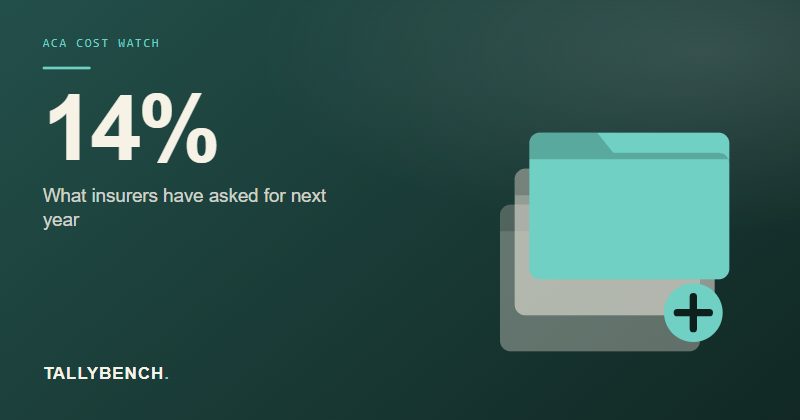
ACA Premiums: Insurers Want Another 14% for 2027
Preliminary filings point to a second consecutive double-digit rise, on top of the 20% finalised for 2026. What that does to your bill, and the one lever most households still have.
Australia's Medicare Bulk Billing Changes From July 2026
From July 1, 2026, GPs no longer have to co-sign every bulk-billed Medicare form — patients can consent digitally instead. Here's what's changing and what it means at your next visit.

What GLP-1 Drugs Actually Cost in 2026: US, UK, India & EU
The same GLP-1 weight-loss injection costs $50/month on US Medicare, £122 on the NHS, ₹5,660 in India, or up to €300 out of pocket in Germany. Here's why the price varies this much by country.
ACA Premiums Jump 114% in 2026 as Enhanced Subsidies Expire
Enhanced ACA premium tax credits expired at the end of 2025. Subsidized enrollees now pay 114% more on average — here's what changed, why, and how to check where you land.
The NHS Modernisation Bill 2026: What's Actually Changing
The NHS Modernisation Bill, introduced to Parliament in May 2026, abolishes NHS England and creates a single patient record — the biggest NHS restructuring in over a decade. Here's what it does.

Ayushman Bharat PM-JAY in 2026: ₹10 Lakh Cover for Seniors
Ayushman Bharat's Vay Vandana Card now gives every senior citizen 70+ a free ₹5 lakh top-up — ₹10 lakh total family cover. Here's how PM-JAY's 2026 expansion actually works.

WHO's First GLP-1 Obesity Guideline, Explained
The World Health Organization published its first guideline on GLP-1 therapies for adult obesity in December 2025. Here's what it actually says — and doesn't say.